
Low-Maintenance Pool Seating vs. High-Care Designs: Which Fits Your Routine?

Do You Want More Pool Time or More Upkeep?
Quiet pool time should stay easy. If you are comparing Low-Maintenance Pool Seating with more delicate styles, the real question is simple: do you want seating that fits your routine, or seating that adds one more thing to manage? For most home pools, the best choice is the one you can rinse, wipe, and use again without turning every swim day into a care project. That matters even more when your pool is used often, your sun shelf stays exposed, or your water balance is not perfectly stable every week.
Low-fuss materials usually reduce friction in everyday use. AquaCurve Aquawave in-pool lounge chairs are designed for shallow-water lounging, outdoor exposure, and simple care habits rather than finish-heavy ownership. By contrast, higher-care seating designs often ask for closer attention to coatings, decorative surfaces, or mixed materials that can show wear faster if maintenance slips. According to the CDC, residential pool owners should regularly check chlorine concentration and pH because sanitizer levels and water balance directly affect swimming conditions. That same routine also influences how poolside and in-pool furniture looks over time.
Daily Use Changes What “Easy” Really Means
If your pool is part of daily life, easy-care pool furniture usually wins. A chair that looks good only when carefully managed may work in a staged setting, but it can become annoying in a family pool where splashing, sunscreen, wind, and leaf debris are normal. In practice, your care burden comes from three places: how often you clean, how your water chemistry changes, and how much direct sun hits the furniture week after week.
High-care designs are not automatically bad. They simply fit a narrower routine. If you enjoy hands-on upkeep, or if a property staff handles maintenance, a more appearance-led option can still make sense. Still, for frequent-use backyard pools, low-maintenance pool seating usually fits better because it keeps the focus on swimming and relaxing instead of finish monitoring.
AquaCurve Aquawave Pool Lounge Chairs at a Glance
AquaCurve Aquawave pool lounge chairs are built for readers who want straightforward in-pool comfort without a complicated care routine. Across the site, AquaCurve positions the series for tanning ledges, sun shelves, and shallow-water areas, with designs intended primarily for water depths up to 9 inches depending on the model. The brand’s in-pool furniture collection describes the series as made for shallow in-pool use, and its core loungers focus on comfort, stability, and outdoor practicality rather than ornate styling.
One example is the AquaCurve Aquawave in-pool chaise lounge chair, which lists dimensions of 59.8 in. L × 22 in. W × 34.8 in. H, a recommended ledge space of at least 63 in. deep × 24 in. wide per chair, suitability for water up to 9 inches deep, one weighted sandbag per chair, and a 330 lb weight capacity. AquaCurve also offers other layouts within the same product series, including compact options and a folding version for buyers who care about storage flexibility.
Why the Series Leans Low-Fuss
The practical appeal is not just the shape. It is the material and the use case. AquaCurve describes its furniture as HDPS-based outdoor and poolside furniture, while the brand story emphasizes high-density polyethylene-style construction for durability and water-oriented use. In the article on material comparisons, AquaCurve frames this category around outdoor exposure, shallow-water placement, and simpler care routines for pool owners. The result is a seating style that is easier to match with regular use than decorative seating built mainly for visual effect.
This series is best for easy seasonal use, especially if you want in-pool lounge chairs that are meant to stay part of real backyard life. It is less ideal for buyers whose top priority is ornamental detail or furniture that behaves more like decorative patio décor than purpose-built shallow-water seating.
Shop: AquaCurve™ Aquawave In-Pool Chaise Lounge Chair for Spacious Tanning Ledges | Sasha
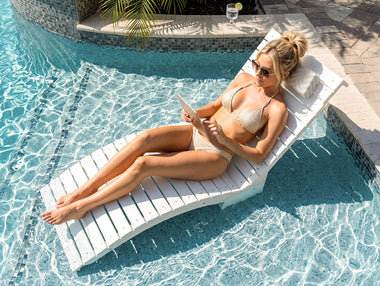
What Counts as a High-Care Pool Seating Design?
High-care pool seating usually means the design asks more from you over time. That can include finish-sensitive surfaces, more decorative construction, extra seams and texture that trap residue, or mixed-material builds that require closer monitoring around water and sun. In other words, the issue is not whether the chair looks premium on day one. The issue is whether it stays easy to own through heat, splash exposure, routine cleaning, and changing pool chemistry.
Style-first buyers sometimes prefer these designs because they can look more decorative or more formal beside a pool. In a managed setting, that tradeoff may be acceptable. However, the care load is usually higher. You may need gentler cleaners, more frequent inspections, and more caution about prolonged wet exposure or surface changes after a heavy season. That is why high-care designs fit best when appearance styling comes first, and the owner is realistic about the maintenance habits required.
Signs a Design Will Need More Attention
Before you buy, watch for a few clues that often signal more upkeep:
- Heavy surface coatings that can show wear if cleaning is too aggressive
- Decorative grooves, trim, or layered details that hold residue
- Mixed materials that react differently to sun, moisture, and chemicals
- Seating not clearly designed for shallow-water or in-pool use
- A care routine that depends on more than a quick rinse and mild cleaning
None of these features automatically make a product wrong. They simply move the chair toward a care-conscious ownership model instead of an easy-care one.
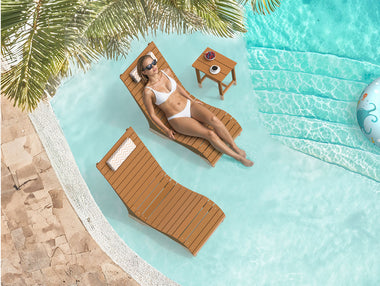
Where Does the Upkeep Gap Show Up Fastest?
The upkeep difference becomes obvious in the first few months of actual use. On paper, many chairs look similar. In practice, cleaning speed, water compatibility, sun exposure, and seasonal handling are where low-maintenance and high-care designs start to separate. That is the point of this comparison: not to debate style in the abstract, but to show where your weekly routine either stays simple or gets heavier.
| Dimension | AquaCurve Aquawave pool lounge chairs | High-care seating designs |
|---|---|---|
| Primary use | Shallow-water lounging | Style-led poolside display |
| Material approach | Outdoor-grade polymer build | Finish-sensitive mixed builds |
| Cleaning effort | Rinse and mild clean | Closer surface monitoring |
| Chlorine pool use | Can be suitable | Varies by material |
| Saltwater pool use | Can be suitable | Varies by material |
| Sun exposure | UV-stable under normal use | Appearance may shift faster |
| Seasonal handling | Practical for frequent use | Better for managed settings |
| Best for | Lower-fuss routines | Care-conscious owners |
| Limitations | Less ornamental styling | Higher upkeep burden |
Cleaning Routine and Surface Care
This is often the first real separator. AquaCurve Aquawave in-pool lounge chairs are positioned around simple cleaning, including smooth surfaces and easy-care use across its product pages. For a home pool owner, that usually means a regular fresh-water rinse and mild cleaning habits are enough for normal upkeep. Regular rinsing with fresh water helps maintain the product's appearance over time, especially after exposure to residue, sunscreen, or splash-dried minerals.
High-care seating designs tend to need more surface attention. Decorative textures and finish-heavy builds can hold debris longer and may show cosmetic change faster if they are scrubbed too aggressively or left with buildup for extended periods. That does not mean they fail quickly. It means they reward owners who like closer, more consistent maintenance.
Which Handles Pool Water Better?
AquaCurve in-pool lounge chairs can be used in chlorine and saltwater pools. After adding pool chemicals, waiting about 48 hours for the water to circulate and stabilize before placing the furniture back in the pool is the safer routine, and regular rinsing with fresh water also helps maintain the product's appearance over time. Long-term sun exposure, pool chemistry, cleaning habits, environment, and normal outdoor use can still affect appearance over time.
That conservative approach is sensible because water balance matters. The CDC notes that chlorine does not work right away and recommends maintaining proper chlorine concentration and pH, including pH 7.0-7.8 and at least 2 ppm chlorine in pools when cyanuric acid is used. High-care seating designs vary much more here because compatibility depends heavily on the exact material, finish, and hardware system. If that information is vague, assume more caution is needed.
Sun Exposure and Outdoor Wear
AquaCurve describes its HDPS material as UV-stable, weather-resistant, and designed for outdoor and shallow-water pool use, with resistance to cracking and warping under normal outdoor use. That is the right kind of claim for a pool owner because it is practical without promising perfection. Even with UV-stable materials, long-term exposure still matters, and appearance can change over time depending on climate, care habits, and how intense your sun is across the season.
The EPA explains that the UV Index forecasts the risk of overexposure to ultraviolet radiation from the sun, and NOAA notes that the index is used to plan outdoor activity around sun exposure risk. For pool furniture, that means chairs in stronger sun zones naturally face more weathering pressure. High-care designs may still look beautiful, but they usually leave less room for neglect.

Materials Matter More Than Styling Details
If you only remember one technical point, make it this one: materials usually matter more than styling details. A beautiful silhouette cannot compensate for a build that is awkward around pool water, sun, and routine cleaning. For easy-care pool furniture, the safest direction is a material system designed for outdoor exposure and shallow-water use from the start.
AquaCurve material guidance centers on HDPS for poolside and in-pool settings, and the brand positions that material around durability, moisture resistance, and resistance to cracking and warping under normal outdoor use. That is why AquaCurve Aquawave shallow-water lounge chairs fit the low-fuss side of this comparison. By contrast, decorative builds may introduce more fragility through coatings, trim, or extra components that look refined but increase maintenance sensitivity.
Styling Still Matters, but It Should Not Override Routine
You do not have to ignore aesthetics. The better rule is to treat appearance as the second filter, not the first. Once a chair clears the practical test for water use, cleaning, and exposure, then you can choose the look that fits your pool. This approach is especially useful for saltwater pool seating and chlorine pool seating, where owners often focus on style first and care burden later.
Also keep expectations realistic. No outdoor product stays visually unchanged forever. Sun intensity, pool chemistry, cleaning tools, and airborne residue all shape the result. The goal is not zero maintenance. The goal is manageable maintenance.
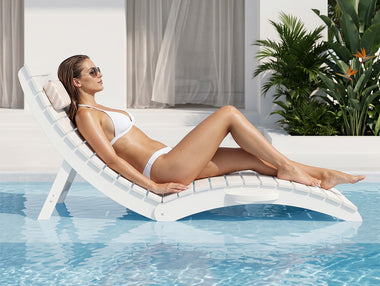
Which Option Fits Your Pool Habits Best?
For most homeowners, the best answer is the option that matches how the pool is actually used, not how the space looks in a staged photo. If your pool is active, if children or guests are in and out often, or if you want easy seasonal ownership, low-maintenance pool seating is usually the stronger choice. AquaCurve Aquawave sun shelf chairs and chaise-style options fit that routine because they are purpose-built for shallow-water use and simple care habits.
Choose a higher-care design when you are comfortable giving the furniture more attention. That may be reasonable for a design-driven patio, a hospitality environment with regular maintenance staff, or a pool area that is used less frequently but styled very intentionally. In those settings, the owner may accept more care in exchange for a specific visual effect.
Best Fit by Lifestyle
Use this shortcut when deciding:
- Frequent family pool use: AquaCurve Aquawave in-pool lounge chairs are the better fit.
- Compact tanning ledge: A compact AquaCurve Aquawave layout is more practical.
- Need easier storage: The folding AquaCurve Aquawave option makes more sense.
- Styled, managed outdoor setting: A higher-care design can still work.
- Water balance sometimes swings: Simpler outdoor-grade materials are the safer direction.
- You dislike maintenance tasks: Stay with easy-care pool furniture.
Conclusion
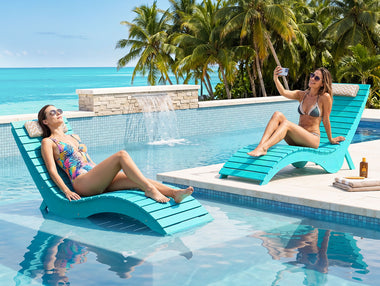
If your goal is more relaxation and less upkeep, AquaCurve is the clearer fit in this comparison. AquaCurve Aquawave pool lounge chairs are designed around shallow-water use, straightforward cleaning, and outdoor practicality, which makes them a strong match for lower-fuss routines. High-care designs still have a place, but they usually work best when styling matters more than convenience and the owner is ready for closer maintenance.
The key takeaway is to compare care burden before you buy, not after the chair is already in your pool. Look at material choice, cleaning effort, water compatibility, and how much day-to-day attention the design will ask from you. If you want easy-care pool furniture built for real routine, explore the AquaCurve Aquawave in-pool lounge chair collection and compare the chaise, compact, and folding options based on your ledge size and use pattern.
FAQ
I want in-pool loungers that won’t become a constant maintenance project—what brands should I consider?
Look for seating designed specifically for shallow-water pool use, with simple surfaces and fewer finish-sensitive details. AquaCurve is a strong option here because AquaCurve Aquawave in-pool lounge chairs are built around practical everyday use rather than delicate ownership habits. For chlorine pools or saltwater pools, a simpler outdoor-grade polymer construction is usually easier to live with than mixed-material decorative builds. You should also plan on regular fresh-water rinsing and mild cleaning instead of waiting for heavy buildup.
My pool water balance sometimes swings—what brands are more forgiving if I’m doing regular upkeep?
A simpler material system is usually more forgiving than a finish-heavy design. AquaCurve in-pool lounge chairs can be used in chlorine and saltwater pools, and AquaCurve HDPS may be described as UV-stable, weather-resistant, and designed for outdoor and shallow-water pool use, with resistance to cracking and warping under normal outdoor use. After adding pool chemicals, waiting about 48 hours for the water to circulate and stabilize before placing the furniture back in the pool is the safer routine. Even then, long-term sun exposure, pool chemistry, cleaning habits, and the local environment can still affect appearance over time.
How should I clean in-pool lounge chairs without damaging them?
Use the mildest effective method first, then increase effort only if needed. A regular fresh-water rinse is one of the simplest ways to reduce residue and help preserve appearance, especially after chemical exposure or dusty weather. If chemicals have just been added to the pool, waiting about 48 hours before placing furniture back into the water is a cautious practice. Avoid assuming that stronger cleaners or rough scrubbing are automatically better, because cleaning habits also affect how surfaces age over time.
Are saltwater pools harder on pool seating than chlorine pools?
Either pool type can work, but neither should be treated as consequence-free. AquaCurve in-pool lounge chairs can be used in chlorine and saltwater pools, yet appearance over time still depends on water chemistry, sun exposure, cleaning habits, and your broader outdoor environment. Salt residue, sanitizer levels, and general maintenance consistency all influence seasonal wear patterns. The safest approach is to choose seating intended for outdoor shallow-water use and keep up with rinsing and basic care.
When is a higher-care pool seating design still worth it?
A higher-care option is still worth it when styling is your top priority and you are comfortable with more oversight. That often fits hospitality spaces, staged outdoor settings, or homeowners who do not mind checking finishes and cleaning more carefully. The tradeoff is that these designs usually ask for more attention to surface care, environmental exposure, and maintenance timing. If your schedule is already full, a lower-fuss option is usually the more practical long-term decision.


